Introduction
In the competitive UK property market, a well-designed kitchen can significantly increase the value of a home. Whether preparing to sell or planning a long-term investment, understanding how to maximise return on investment (ROI) through kitchen renovation is essential.
This article explores strategic upgrades, cost considerations, and design choices that deliver the highest value for UK homeowners.
Why Kitchens Drive Property Value
The kitchen is often considered the most important room when it comes to property valuation. Estate agents across the UK consistently highlight modern, functional kitchens as a key selling point.
A well-renovated kitchen not only enhances visual appeal but also signals to buyers that the property has been maintained to a high standard. This reduces perceived future costs, making the home more attractive.
High-Impact Upgrades That Deliver Value
Not all renovations provide equal returns. Focusing on high-impact upgrades ensures that your investment translates into measurable value.
Replacing outdated cabinetry with modern, handleless units instantly updates the space. Upgrading worktops to materials such as quartz or granite adds durability and luxury appeal.
Energy-efficient appliances are another smart investment. UK buyers are increasingly conscious of energy consumption, and homes with efficient appliances often stand out in listings.
The Importance of Layout Optimisation
Improving the kitchen layout can dramatically enhance usability and appeal. Open-plan designs are particularly popular in the UK, as they create a sense of space and encourage social interaction.
However, even small adjustments—such as repositioning appliances or adding a breakfast bar—can improve flow and functionality.
Buyers are drawn to kitchens that feel intuitive and easy to use, making layout optimisation a key factor in ROI.
Budgeting for Maximum Returns
One of the biggest mistakes homeowners make is overspending on luxury features that do not align with the property’s value.
In the UK, the ideal kitchen renovation budget typically ranges between 5% and 10% of the property’s total value. Staying within this range helps ensure a positive return.
It is also important to prioritise upgrades that have broad appeal rather than highly personalised designs that may not suit all buyers.
The Role of Aesthetics and Neutral Design
While bold designs can be visually striking, neutral colour schemes tend to perform better in the UK housing market.
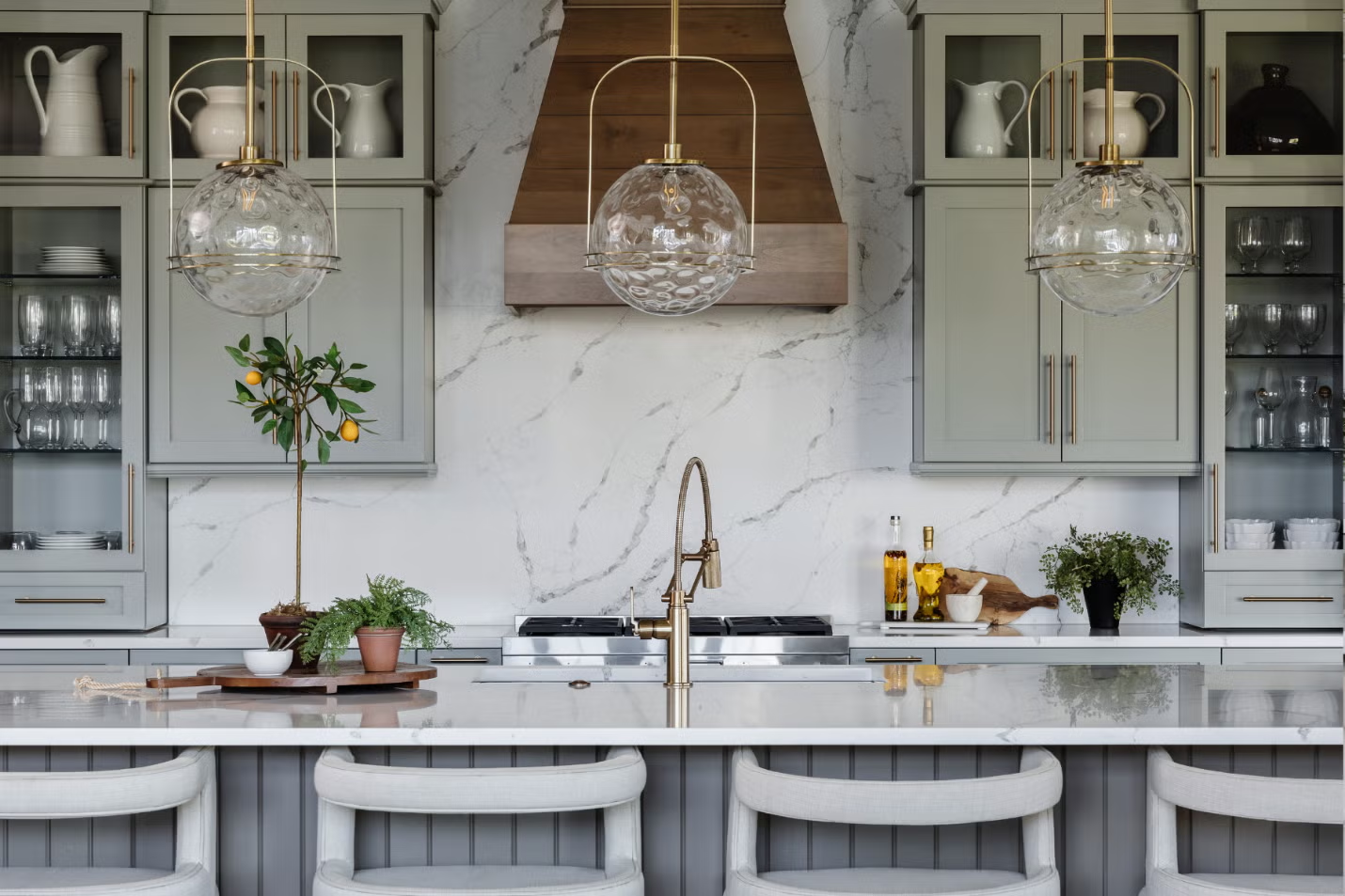
Soft greys, whites, and natural tones create a clean, timeless look that appeals to a wide audience. This makes it easier for potential buyers to envision themselves in the space.
Adding subtle design elements—such as textured splashbacks or stylish lighting—can enhance the overall aesthetic without limiting appeal.
Storage and Functionality as Key Selling Points
UK buyers place a high value on storage, particularly in smaller homes. Incorporating efficient storage solutions can significantly boost a kitchen’s attractiveness.
Features such as pull-out larders, integrated bins, and deep drawers improve organisation and usability. These practical enhancements often make a stronger impression than purely decorative upgrades.
Energy Efficiency and Sustainability
Sustainability is becoming increasingly important in the UK property market. Kitchens that incorporate energy-efficient appliances, LED lighting, and eco-friendly materials are more appealing to modern buyers.
These features not only reduce environmental impact but also lower running costs, making them a strong selling point.
Common Mistakes to Avoid
To maximise ROI, it is important to avoid common renovation pitfalls. Over-customisation, poor layout planning, and low-quality materials can all negatively impact value.
Additionally, neglecting lighting and ventilation can reduce the overall appeal of the kitchen, even if other elements are well-designed.
Careful planning and attention to detail are essential for achieving the best results.
Conclusion
A strategic kitchen renovation can deliver substantial returns in the UK property market. By focusing on functionality, timeless design, and energy efficiency, homeowners can create kitchens that appeal to a wide range of buyers.
Ultimately, the key to maximising ROI lies in balancing cost with value, ensuring that every design decision contributes to both usability and long-term investment potential.
About the Author