Introduction
Designing a kitchen is a long-term investment, and one of the most important decisions UK homeowners face is whether to follow current trends or opt for a timeless design. Kitchens are not easily or cheaply replaced, which makes it essential to choose a style that will remain functional and visually appealing for years to come.
While trendy kitchens can offer a fresh and modern look, timeless designs provide consistency and long-term value. The challenge lies in understanding how each approach works within the context of UK homes, property values, and lifestyle needs.
This article explores the differences between timeless and trendy kitchen designs, their advantages and drawbacks, and how to strike the right balance.
What Defines a Timeless Kitchen Design?
A timeless kitchen is characterised by simplicity, functionality, and enduring appeal. Rather than following short-term design trends, timeless kitchens focus on elements that have proven their value over decades.
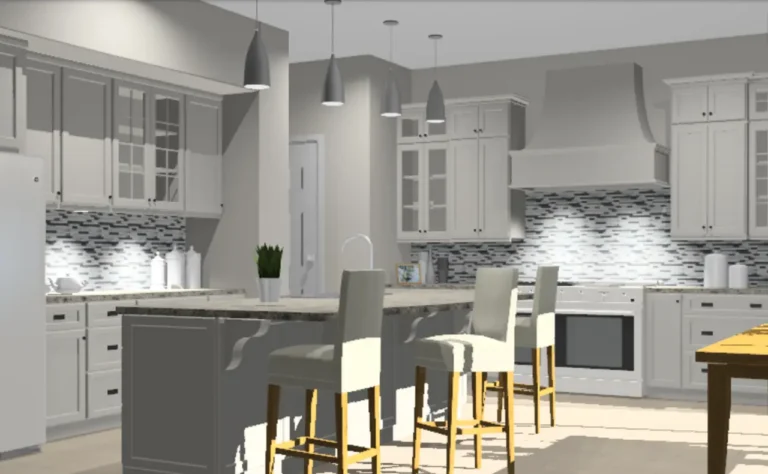
In the UK, timeless kitchens often feature neutral colour palettes such as white, cream, grey, and soft earth tones. Cabinetry tends to be classic in style, including shaker designs or simple flat-panel doors that do not feel dated over time.
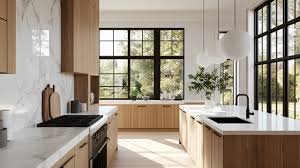
Materials also play a significant role. Natural stone worktops, hardwood cabinetry, and high-quality fixtures are commonly used because of their durability and long-lasting aesthetic.
The key advantage of a timeless kitchen is its ability to remain relevant regardless of changing design trends. This makes it a safe and practical choice for homeowners who want a kitchen that will not require frequent updates.
The Appeal of Trendy Kitchen Designs
Trendy kitchens are driven by current design movements and often reflect the latest innovations in materials, colours, and technology. These kitchens are visually striking and can make a strong impression.
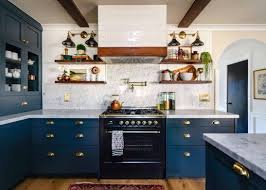
In recent years, UK kitchen trends have included bold colours such as deep navy and forest green, matte black finishes, handleless cabinetry, and statement lighting. Open shelving, mixed materials, and industrial-style elements have also gained popularity.
The main advantage of trendy kitchens is their ability to create a modern and personalised space. For homeowners who enjoy staying up to date with design trends, this approach offers greater creative freedom.
However, trends can change quickly. What feels modern today may appear outdated in just a few years, which can lead to additional renovation costs.
Longevity and Durability Considerations
When comparing timeless and trendy designs, longevity is one of the most important factors to consider.
Timeless kitchens are designed to last both structurally and aesthetically. Their neutral colours and classic features mean they are less likely to go out of style, reducing the need for future updates.
Trendy kitchens, while appealing in the short term, may require more frequent changes to maintain their relevance. This can increase long-term costs, particularly if major elements such as cabinetry or worktops need to be replaced.
For UK homeowners planning to stay in their property for many years, durability and long-term usability should be key priorities.
Impact on Property Value in the UK Market
Kitchen design has a significant impact on property value, especially in the competitive UK housing market.
Timeless kitchens tend to appeal to a wider range of buyers. Their neutral design allows potential buyers to envision their own style within the space, making the property more marketable.
Trendy kitchens, on the other hand, may attract specific buyers who appreciate the design but could deter others with different tastes.
For homeowners considering resale value, a timeless kitchen is generally the safer investment.
Maintenance and Practicality
Maintenance is another important consideration when choosing between timeless and trendy designs.
Timeless kitchens often use durable, easy-to-maintain materials that are well-suited to everyday use. Their practicality makes them ideal for busy households.
Trendy designs sometimes incorporate materials or finishes that require more care. For example, high-gloss surfaces can show fingerprints easily, and certain bold finishes may require specialised cleaning.
UK homeowners should consider how much time they are willing to spend on maintenance when making design decisions.
The Role of Personal Style
While practicality and value are important, personal style should not be overlooked. A kitchen is a highly personal space, and it should reflect the homeowner’s preferences and lifestyle.
Some homeowners prefer the clean, understated look of timeless designs, while others are drawn to bold, contemporary styles.
The key is to ensure that personal choices do not compromise functionality or long-term usability.
Finding the Right Balance Between Timeless and Trendy
For most UK homeowners, the ideal solution is not choosing one approach over the other, but finding a balance between the two.
A common strategy is to use a timeless foundation—such as neutral cabinetry and durable worktops—and incorporate trendy elements through easily changeable features.
These may include:
- Splashbacks
- Lighting fixtures
- Cabinet handles
- Decorative accessories
This approach allows homeowners to update the look of their kitchen without undertaking a full renovation.
For example, changing pendant lights or adding a new splashback can refresh the space at a relatively low cost.
Adapting Designs to UK Homes
UK homes vary widely, from period properties to modern flats, and kitchen design should reflect the character of the property.
Timeless designs often work well in traditional homes, preserving architectural features and maintaining consistency.
Trendy designs may be more suited to new-build properties or contemporary spaces where modern aesthetics are expected.
Understanding the context of the home is essential for creating a cohesive and harmonious design.
Budget and Long-Term Planning
Budget considerations play a crucial role in deciding between timeless and trendy kitchens.
Timeless kitchens may require a higher initial investment due to the use of high-quality materials, but they often provide better long-term value.
Trendy kitchens can sometimes be more affordable initially, but the need for future updates can increase overall costs.
UK homeowners should consider not only the upfront cost but also the long-term financial implications of their design choices.
Conclusion
Choosing between a timeless and trendy kitchen design is a decision that requires careful consideration of lifestyle, budget, and long-term goals.
Timeless kitchens offer durability, broad appeal, and lasting value, making them a reliable choice for many UK homeowners. Trendy kitchens provide an opportunity for creativity and modern expression but may require more frequent updates.
The most effective approach is often a balanced one—combining a timeless foundation with adaptable, trend-driven elements.
By making thoughtful design decisions, homeowners can create kitchens that are not only stylish but also practical and enduring, ensuring that their investment continues to deliver value for years to come.
About the Author