Introduction
With rising property prices and limited space in many UK cities, compact kitchens have become increasingly common. Designing a small kitchen that is both functional and stylish requires careful planning and innovative solutions.
This article explores practical strategies to maximise space, improve efficiency, and create visually appealing kitchens in compact UK homes.
Understanding the Challenges of Small Kitchens
Small kitchens present unique challenges, including limited storage, restricted movement, and reduced natural light. In UK flats, these constraints are often more pronounced due to older building layouts.
However, with the right design approach, even the smallest kitchen can be transformed into a highly efficient space.
Smart Layout Choices for Compact Spaces
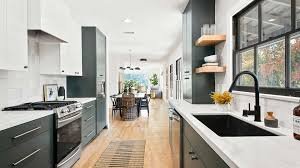
Choosing the right layout is critical in small kitchens. Galley and L-shaped layouts are particularly effective, as they maximise available space while maintaining functionality.
Keeping the work triangle compact ensures that essential tasks can be performed efficiently without unnecessary movement.
Avoiding clutter and maintaining clear pathways is essential for creating a comfortable working environment.
Maximising Vertical Space
One of the most effective ways to increase storage in small kitchens is by utilising vertical space. Extending cabinets up to the ceiling provides additional storage while creating a streamlined appearance.
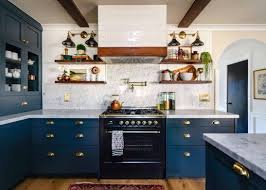
Open shelving can also be used to store frequently used items, making them easily accessible while adding visual interest.
Hooks, rails, and wall-mounted organisers further enhance storage capacity without taking up valuable floor space.
Multi-Functional Furniture and Fixtures
In compact kitchens, every element should serve multiple purposes. Foldable tables, pull-out worktops, and integrated seating solutions are excellent space-saving options.
Appliances such as combination ovens and washer-dryers help reduce the number of separate units required, freeing up space for other uses.
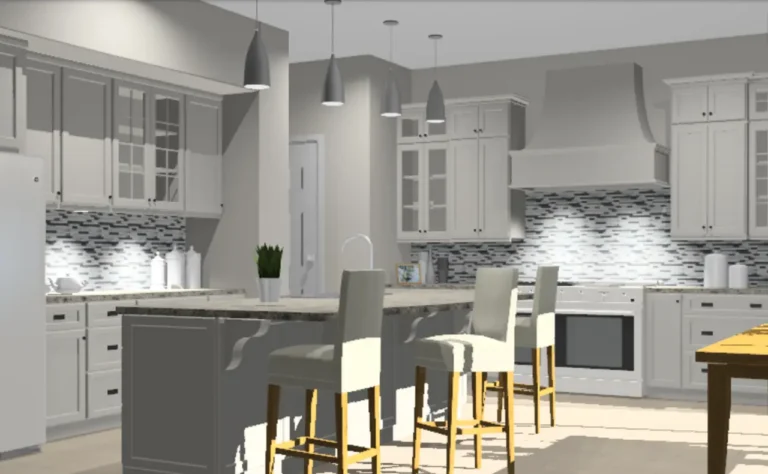
Kitchen islands, if space allows, can also serve as storage units, dining areas, and preparation surfaces.
Light and Colour Strategies
Light and colour play a crucial role in making small kitchens feel larger. Neutral colour palettes, such as whites, creams, and light greys, reflect light and create a sense of openness.
Glossy finishes and reflective surfaces, including glass splashbacks and polished worktops, enhance this effect.
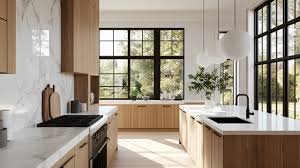
Maximising natural light through unobstructed windows and using layered artificial lighting further improves the overall ambience.
Integrated Appliances for a Seamless Look
Integrated appliances are a popular choice in UK compact kitchens. By concealing appliances behind cabinetry, homeowners can create a clean, uncluttered appearance.
Slimline dishwashers, compact refrigerators, and built-in ovens are specifically designed for smaller spaces, offering full functionality without taking up excessive room.
Clever Storage Innovations
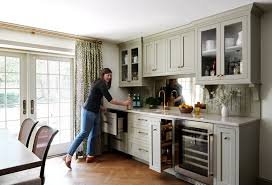
Modern storage solutions are essential for maintaining organisation in small kitchens. Pull-out pantry units, corner carousels, and drawer organisers help maximise every inch of space.
Hidden storage compartments and integrated bins contribute to a tidy, efficient environment.
These innovations not only improve functionality but also enhance the overall user experience.
Creating the Illusion of Space
Design techniques can be used to create the illusion of a larger kitchen. Continuous flooring, handleless cabinets, and minimalistic design elements contribute to a more open feel.
Mirrored surfaces and strategic lighting placement can further enhance spatial perception, making the kitchen appear more expansive than it actually is.
Balancing Style and Practicality
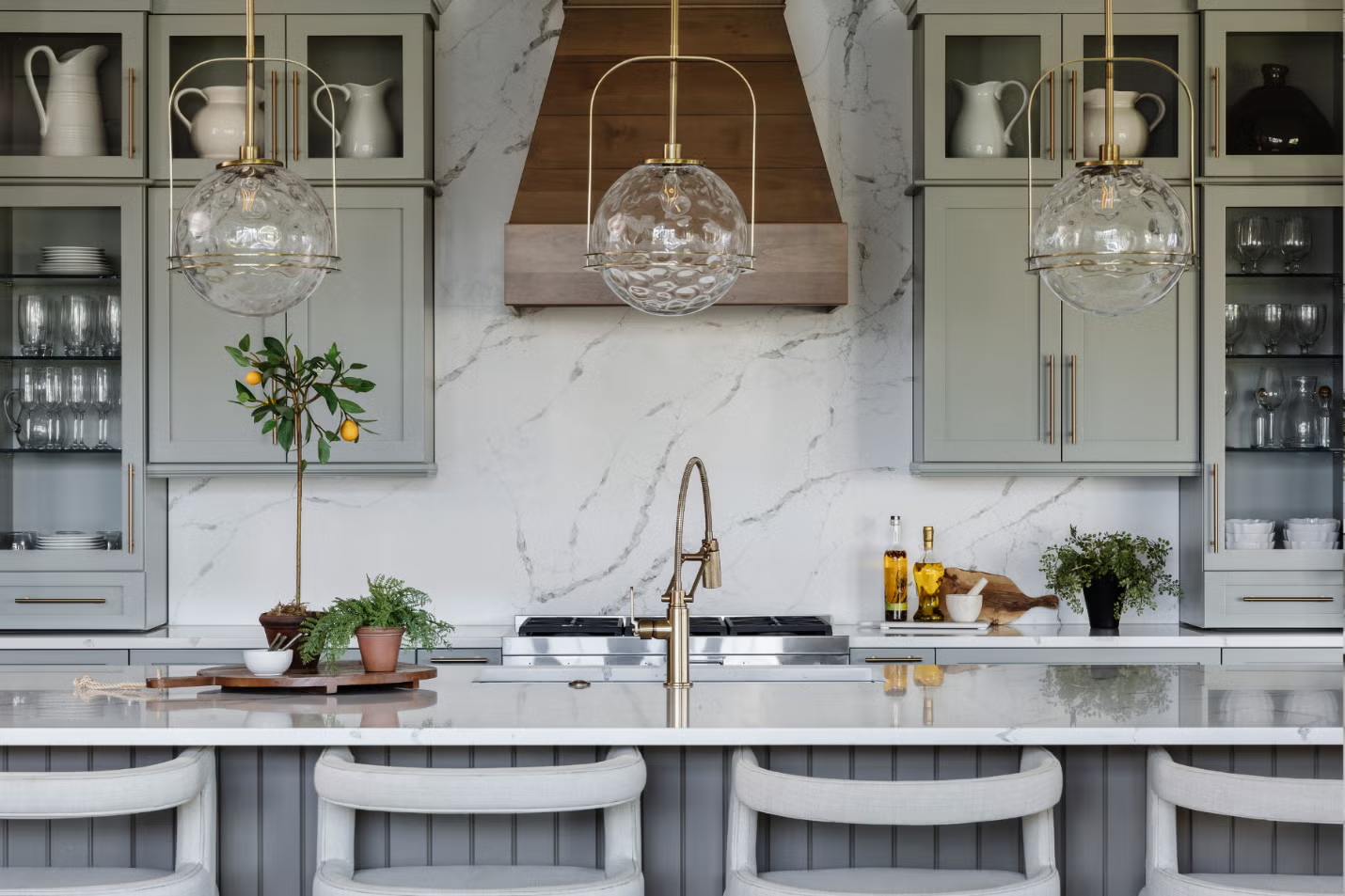
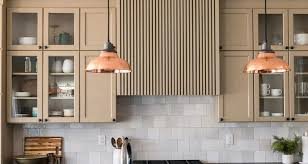
While functionality is essential, style should not be overlooked. Even small kitchens can feature modern design elements such as statement lighting, textured finishes, and stylish hardware.
The key is to strike a balance between aesthetics and practicality, ensuring that the space remains both beautiful and usable.
Conclusion
Designing a small kitchen in the UK requires creativity, precision, and a focus on efficiency. By utilising smart layouts, innovative storage solutions, and thoughtful design techniques, it is possible to transform compact spaces into highly functional and visually appealing kitchens.
With the right approach, even the smallest kitchen can deliver maximum impact.
About the Author