Introduction
Designing a kitchen is one of the most significant investments a UK homeowner can make. It is not only a functional space used daily, but also a key factor in property value and overall lifestyle quality. However, despite careful planning, many homeowners fall into common design traps that can lead to inefficiency, frustration, and unnecessary expenses.
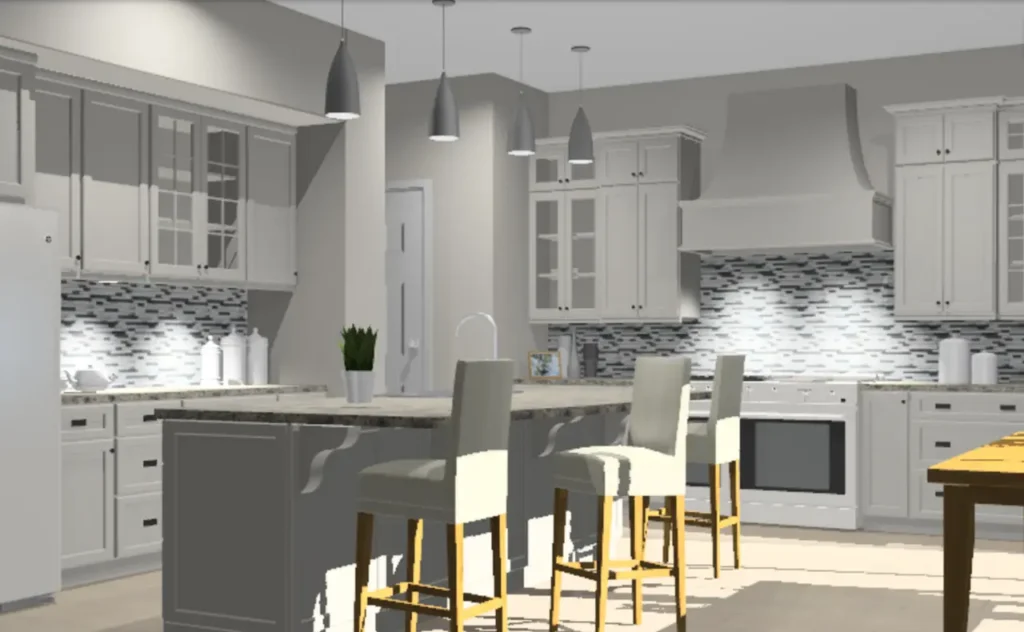
In the UK, where homes often have limited space and unique architectural constraints, avoiding these mistakes is even more critical. From poor layout decisions to overlooking essential details such as lighting and storage, even small errors can have a lasting impact.
This comprehensive guide explores the most common kitchen design mistakes UK homeowners make—and, more importantly, how to avoid them.
Poor Layout Planning
One of the most frequent and costly mistakes in kitchen design is poor layout planning. A kitchen that looks visually appealing but lacks functionality quickly becomes frustrating to use.
In many UK homes, space constraints make layout decisions even more important. Ignoring the principles of efficient movement—such as the relationship between the sink, hob, and refrigerator—can lead to unnecessary steps and wasted time.
For example, placing the fridge too far from the preparation area or positioning the hob in an awkward corner can disrupt workflow. The key is to ensure that essential elements are positioned logically to support daily tasks.
Careful planning, ideally with professional input, can prevent these issues and create a kitchen that feels natural and efficient.
Insufficient Storage Solutions
Storage is a major concern in UK kitchens, particularly in flats and terraced homes where space is limited. One of the most common mistakes is underestimating how much storage is actually needed.
Without adequate storage, worktops become cluttered, making the kitchen feel cramped and disorganised. Many homeowners focus on aesthetics and forget to incorporate practical storage solutions.
Modern kitchens should include a combination of deep drawers, pull-out units, and vertical storage. Features such as integrated bins, corner carousel units, and tall pantry cupboards can significantly improve organisation.
Planning storage based on actual usage—rather than guesswork—is essential for maintaining a functional and tidy kitchen.
Ignoring Lighting Design
Lighting is often treated as an afterthought, but it plays a crucial role in both functionality and atmosphere. Poor lighting can make even the most beautifully designed kitchen feel dull and impractical.
In UK homes, where natural light can be limited, relying solely on a central ceiling light is not sufficient. This creates shadows on work surfaces and reduces visibility during food preparation.
A well-designed kitchen should incorporate layered lighting, including task lighting for work areas, ambient lighting for general illumination, and accent lighting for visual appeal.
Under-cabinet lighting, pendant lights over islands, and LED strips are all effective solutions that enhance both usability and design.
Choosing Style Over Functionality
While it is tempting to prioritise aesthetics, focusing too heavily on style at the expense of functionality is a common mistake.
For example, handleless cabinets may look sleek, but if they are not practical for daily use, they can become inconvenient. Similarly, choosing delicate materials that require high maintenance may not suit busy households.
UK homeowners should aim for a balance between style and practicality. Durable materials, easy-to-clean surfaces, and ergonomic design should always take priority.
A kitchen that functions well will always be more valuable than one that simply looks good.
Poor Appliance Placement
Appliance placement is another area where mistakes frequently occur. Incorrect positioning can disrupt workflow and reduce efficiency.
For instance, placing the dishwasher far from the sink makes loading and unloading more difficult. Similarly, positioning the oven in a tight corner can limit accessibility.
In compact UK kitchens, careful planning is essential to ensure that appliances are conveniently located without overcrowding the space.
Integrated appliances can help create a streamlined look, but their placement must still support practical use.
Underestimating Ventilation
Ventilation is often overlooked during the design process, yet it is essential for maintaining air quality and preventing moisture-related issues.
In UK homes, where humidity levels can already be high, poor ventilation can lead to condensation, mould, and unpleasant odours.
Installing a high-quality extractor fan is crucial, particularly in kitchens without direct access to windows. Proper ventilation not only improves comfort but also protects the longevity of cabinets and surfaces.
Lack of Electrical Planning
Modern kitchens rely heavily on electrical appliances, yet many homeowners fail to plan sufficient power outlets.
This can result in inconvenient extension leads and limited functionality. In the UK, where safety regulations are strict, proper electrical planning is essential.
Power sockets should be strategically placed to accommodate appliances such as kettles, toasters, and coffee machines. USB outlets and integrated charging points are also becoming increasingly popular.
Planning electrical requirements early in the design process helps avoid costly adjustments later.
Overspending on Unnecessary Features
Budget management is a critical aspect of kitchen design. A common mistake is overspending on luxury features that do not add significant value.
While high-end finishes and appliances can enhance a kitchen, they should be chosen carefully to align with the overall property value.
In the UK property market, overly customised or extravagant kitchens may not always deliver a strong return on investment.
Focusing on quality, durability, and broad appeal is a more effective strategy for long-term value.
Ignoring Workflow and Practical Use
A kitchen should be designed around how it will actually be used. Ignoring daily routines and habits can result in a space that feels awkward and inefficient.
For example, failing to consider where groceries are stored after shopping or how food preparation flows can lead to unnecessary inconvenience.
UK homeowners should think carefully about their lifestyle and design the kitchen accordingly. This includes considering family size, cooking habits, and entertaining needs.
A practical, user-focused design will always outperform one based purely on appearance.
Skipping Professional Guidance
Attempting to design a kitchen without professional input can lead to costly mistakes. While DIY approaches may seem cost-effective initially, they often result in inefficiencies and design flaws.
Kitchen designers bring expertise in layout planning, material selection, and technical requirements. In the UK, where building regulations and space constraints can be complex, professional advice is particularly valuable.
Investing in expert guidance can save time, reduce stress, and ensure a high-quality result.
Conclusion
Designing a kitchen is a complex process that requires careful planning and attention to detail. For UK homeowners, avoiding common mistakes is essential for creating a space that is both functional and visually appealing.
From optimising layout and storage to ensuring proper lighting and ventilation, every decision plays a role in the overall success of the design.
By focusing on practicality, quality, and thoughtful planning, homeowners can create kitchens that not only meet their daily needs but also add lasting value to their property.
About the Author