Introduction
Choosing the right kitchen layout is one of the most important decisions in any kitchen project. In the UK, where property sizes and architectural styles vary widely, selecting an efficient layout can significantly impact usability, comfort, and overall design success.
Understanding different layout options and how they suit various types of homes is essential for achieving the perfect kitchen.
Understanding the Kitchen Work Triangle
The kitchen work triangle is a fundamental design principle that focuses on the relationship between the sink, hob, and refrigerator. The goal is to create an efficient workflow that minimises unnecessary movement.
In UK kitchens, where space is often limited, maintaining an effective work triangle can greatly improve functionality. Designers aim to balance accessibility with safety, ensuring that the layout supports both cooking and social interaction.
Popular Kitchen Layouts in the UK
Galley Kitchens
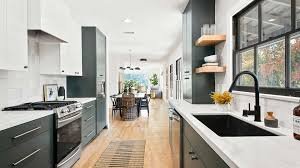
Galley kitchens are ideal for narrow spaces and are commonly found in UK terraced houses and flats. This layout features two parallel work surfaces, creating a highly efficient cooking environment.
While space-saving, careful planning is required to prevent the area from feeling cramped. Light colours and good lighting can help enhance the sense of space.
L-Shaped Kitchens
L-shaped kitchens are versatile and suitable for both small and medium-sized homes. This layout utilises two adjacent walls, providing ample workspace while maintaining an open feel.
It is particularly effective for open-plan living areas, allowing for easy integration with dining or living spaces.
U-Shaped Kitchens
U-shaped kitchens offer maximum storage and workspace, making them ideal for larger UK homes. This layout surrounds the user on three sides, creating a highly functional environment.
However, sufficient space is required to avoid a confined feeling. Proper lighting and thoughtful design can enhance usability.
Island Kitchens
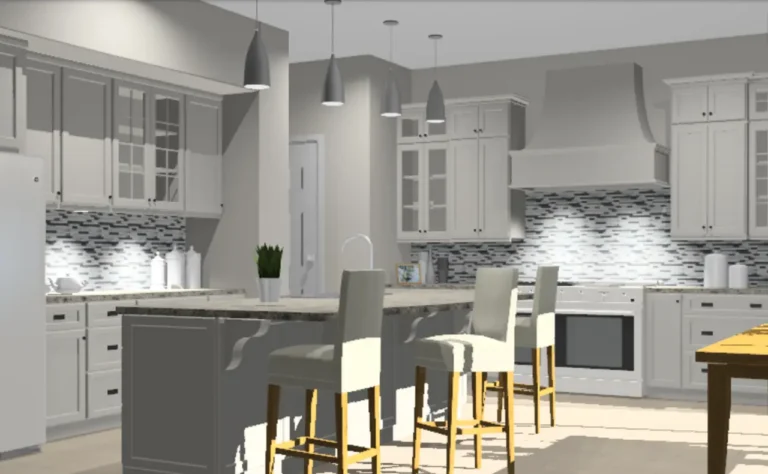
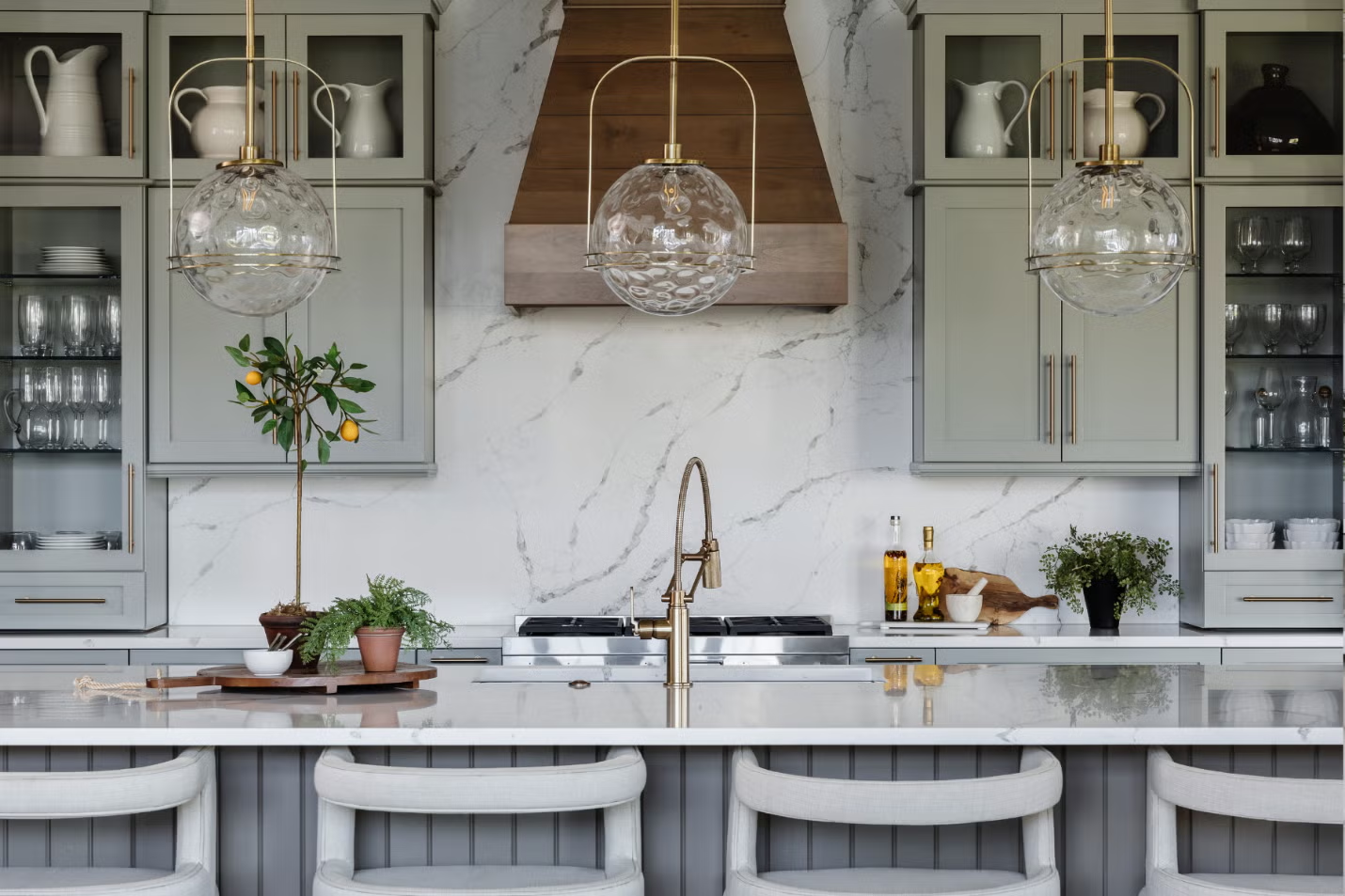
Kitchen islands are increasingly popular in UK homes, especially in open-plan layouts. They provide additional workspace, storage, and seating, making them a multifunctional feature.
Islands can also serve as focal points, adding both practicality and visual appeal to the kitchen.
Adapting Layouts for Small UK Homes
Space optimisation is critical in many UK properties. Compact kitchens benefit from innovative solutions such as foldable worktops, integrated appliances, and vertical storage.
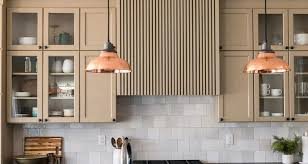
Open shelving and glass-front cabinets can create the illusion of a larger space, while reflective surfaces help maximise natural light.
Considering Lifestyle Needs
The ideal kitchen layout depends heavily on individual lifestyle. Families may prioritise space for dining and socialising, while professionals working from home may require integrated workspaces.
Understanding daily routines and usage patterns is key to designing a layout that meets practical needs.
Storage Planning and Organisation
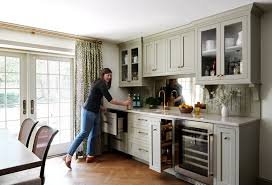
Effective storage is essential for maintaining a functional kitchen. UK homeowners are increasingly investing in custom cabinetry and modular storage solutions.
Pull-out drawers, hidden compartments, and built-in organisers help maximise efficiency while keeping the kitchen clutter-free.
Lighting and Ventilation
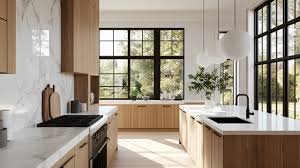
Proper lighting and ventilation are crucial components of any kitchen layout. Natural light should be maximised wherever possible, while artificial lighting should be layered to support different tasks.
Good ventilation is particularly important in UK homes to prevent moisture build-up and maintain air quality.
Budget Considerations
Budget plays a significant role in determining the final kitchen layout. While custom designs offer flexibility, they can be more expensive.
Balancing cost with functionality is essential. Investing in key elements such as quality cabinetry and durable worktops can provide long-term value.
Conclusion
Selecting the perfect kitchen layout requires careful consideration of space, lifestyle, and design preferences. By understanding the strengths of different layouts and adapting them to suit UK homes, homeowners can create kitchens that are both practical and visually appealing.
A well-planned layout not only enhances daily living but also adds significant value to the property.
About the Author