Introduction
The kitchen has become the central hub of modern British homes, evolving far beyond its traditional role. In 2026, UK homeowners are prioritising functionality, sustainability, and intelligent design. Whether renovating a period property or designing a new-build kitchen, understanding current trends is essential for creating a future-proof space.
The Rise of Smart Kitchen Technology
Smart technology is transforming kitchens across the UK. From Wi-Fi-enabled ovens to voice-controlled lighting, connected appliances are no longer luxury additions—they are fast becoming standard features.
Homeowners are increasingly investing in smart refrigerators that monitor food usage and suggest recipes, as well as induction hobs that offer precision cooking. Integration with virtual assistants allows users to manage appliances hands-free, making daily tasks more efficient.
For UK households with busy lifestyles, smart kitchens offer convenience, energy savings, and enhanced safety.
Sustainable Materials and Eco-Friendly Choices
Sustainability is a major driving force in kitchen design. British consumers are actively seeking environmentally responsible materials that do not compromise on quality or aesthetics.
Popular choices include recycled quartz worktops, bamboo cabinetry, and reclaimed wood finishes. Low-VOC paints and energy-efficient lighting systems are also widely adopted to reduce environmental impact.
Additionally, water-saving taps and energy-efficient appliances are helping homeowners lower utility bills while supporting sustainability goals.
The Evolution of Open-Plan Living
Open-plan kitchens remain popular across the UK, particularly in urban environments. However, the concept is evolving into more structured layouts known as “broken-plan” designs.
These layouts maintain openness while introducing subtle divisions using glass panels, shelving units, or kitchen islands. This approach allows for better organisation of space without losing the social benefits of an open kitchen.
For families and remote workers, this design provides flexibility and improved functionality.
Maximising Storage in Compact Spaces
Given the size constraints of many UK homes, efficient storage solutions are essential. Modern kitchens now incorporate clever storage systems designed to maximise every inch of space.
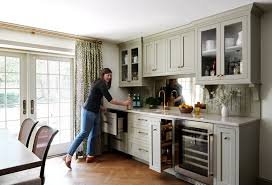
Features such as pull-out larders, corner carousel units, and hidden drawers are becoming standard. Vertical storage is also gaining popularity, allowing homeowners to utilise wall space effectively.
Integrated storage not only improves organisation but also contributes to a cleaner, more minimalist aesthetic.
Minimalist Aesthetics with Bold Accents
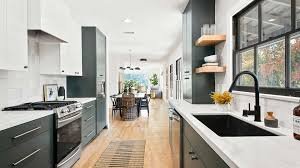
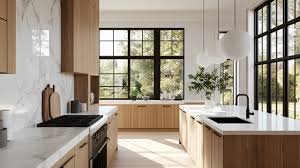
Contemporary UK kitchens are embracing minimalist design principles, characterised by clean lines, handleless cabinets, and neutral colour palettes.
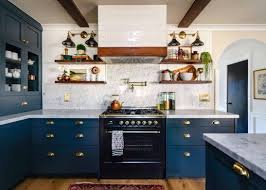
However, this simplicity is often balanced with bold accents such as statement splashbacks, textured finishes, or contrasting kitchen islands. Matte black fixtures, brass fittings, and deep navy cabinetry are particularly popular choices.
This blend of minimalism and personality allows homeowners to create visually striking yet practical spaces.
Multi-Functional Kitchen Spaces
With more people working from home, kitchens are being designed to serve multiple purposes. Many UK homeowners are incorporating workspace areas, breakfast bars, and flexible seating arrangements into their kitchen layouts.
This multifunctionality ensures that the kitchen can accommodate cooking, dining, working, and socialising without compromising on comfort or efficiency.
Lighting as a Design Feature
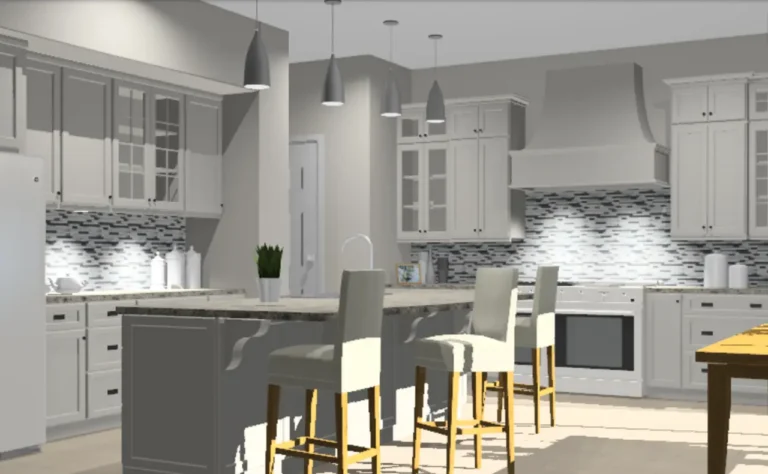
Lighting plays a crucial role in modern kitchen design. Layered lighting systems combining task, ambient, and accent lighting are widely used to enhance both functionality and atmosphere.
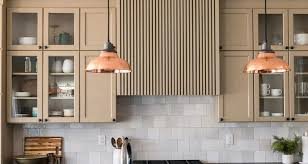
Pendant lights above islands, under-cabinet LED strips, and recessed ceiling lights are common features in UK kitchens. Smart lighting systems allow users to adjust brightness and colour temperature based on different activities.
Conclusion
The UK kitchen landscape in 2026 is defined by innovation, sustainability, and adaptability. Homeowners are seeking spaces that are not only visually appealing but also highly functional and future-ready.
By embracing smart technology, sustainable materials, and thoughtful design, it is possible to create a kitchen that meets the demands of modern living while adding long-term value to the home.
About the Author